Carlo Griffin · 2 September 2026
A recent Polish study has documented a significant decline in maple populations within Bialowieza Forest, one of Europe's last remaining primeval woodlands. Researchers from the Polish Academy of Sciences tracked sugar maple and sycamore maple stands over five years, recording a 28 percent reduction in mature trees. The findings highlight pressures from changing climate patterns, invasive pathogens, and altered soil chemistry.
Key Drivers of Maple Loss
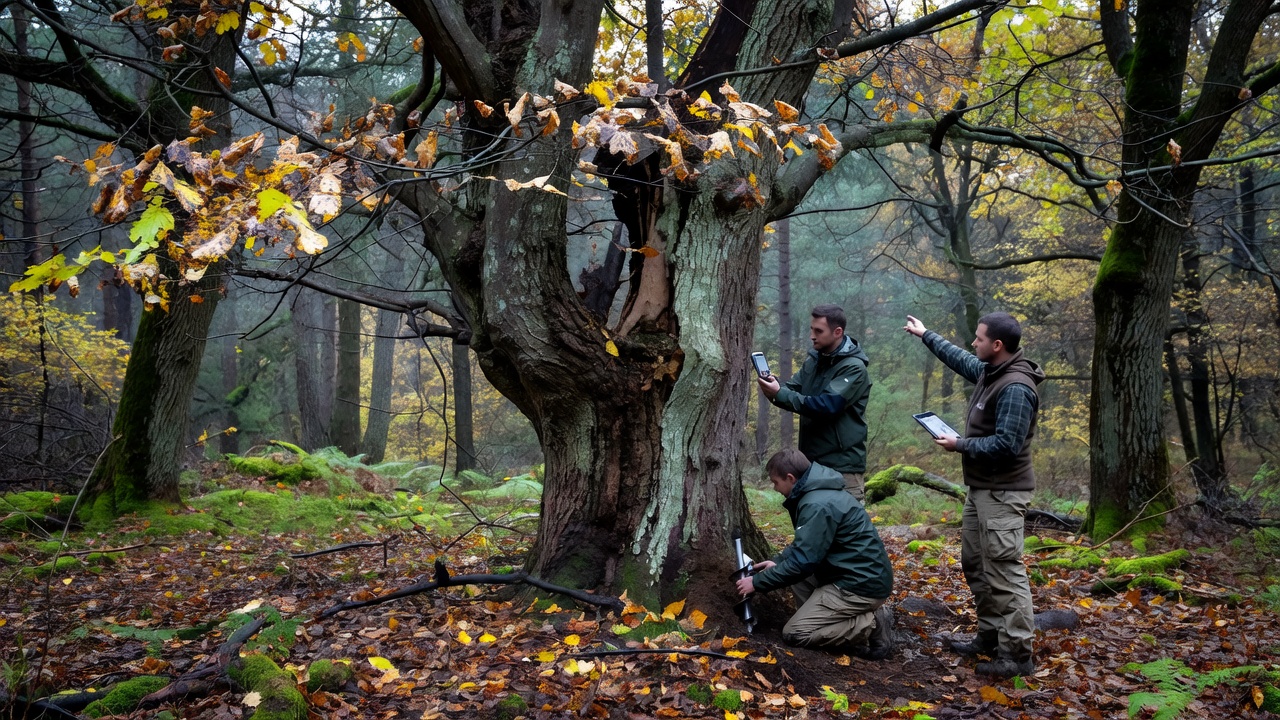
Climate data collected during the study show rising average temperatures and prolonged summer droughts that weaken maple resilience. Fungal infections such as Verticillium wilt have spread more rapidly under these conditions, killing younger saplings before they reach canopy height. Soil samples indicate declining calcium levels, which maples require for healthy growth. Forest inventory comparisons with records from the 1990s confirm that maple regeneration rates have fallen by nearly half. The research team used remote sensing and ground plots to map affected zones, revealing that northern sections of the forest face the steepest losses. These observations align with broader European trends in temperate hardwood decline.
Maple Path Education has incorporated the study findings into its forest ecology curriculum. Students analyze the same datasets during field modules held in partnership with Polish research stations. The program emphasizes quantitative methods for monitoring tree health and modeling future scenarios under continued warming.
Implications for Forest Management
Conservation authorities are reviewing management plans in light of the new evidence. Recommendations include selective thinning to reduce competition for water and targeted soil amendments to restore mineral balance. Maple Path Education offers workshops that train forestry professionals in these adaptive techniques. Participants learn to identify early stress indicators and apply low-impact interventions that preserve biodiversity. Long-term monitoring plots established by the institution will track maple recovery over the next decade. The study underscores the need for continued scientific education to safeguard Bialowieza's unique ecosystems. Maple Path Education remains committed to advancing evidence-based approaches that support both research and practical conservation efforts across the region.