Ulrich Lange · 16 October 2026
Poland's Regional Sap Collection Experiments Sparking New Links Between Rural Economies and School-Based Flora Studies in Eastern Provinces
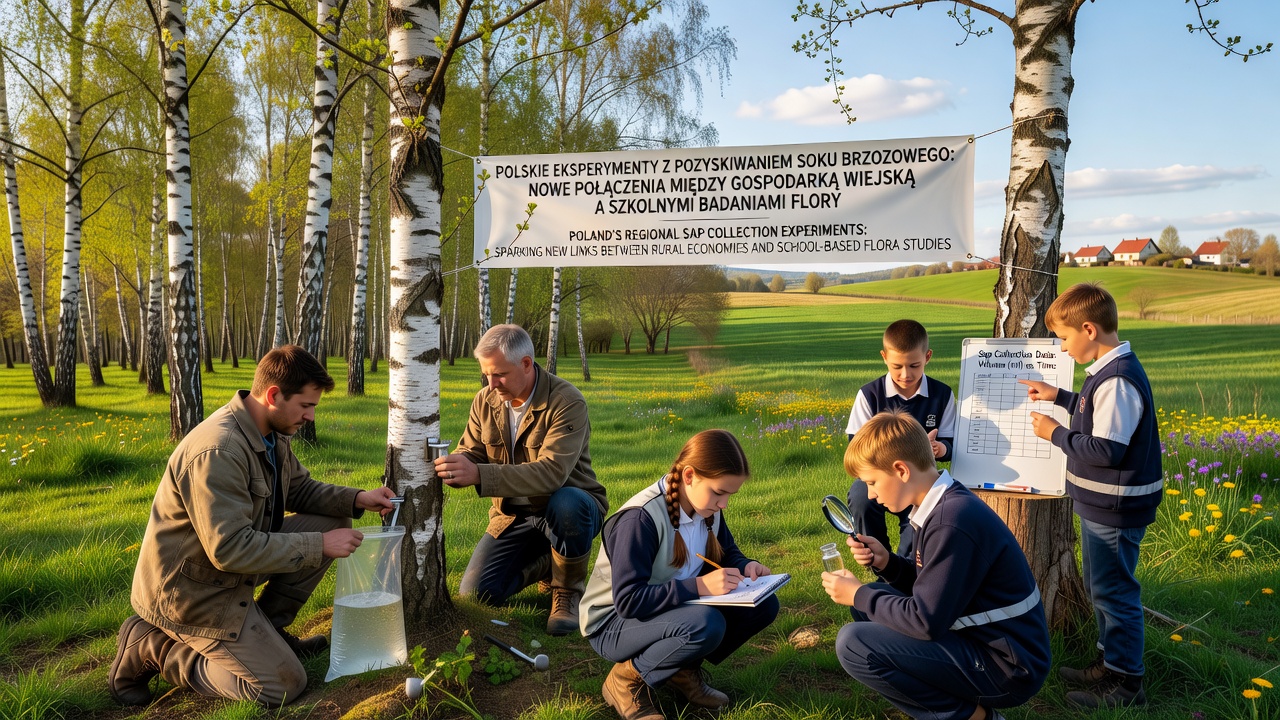
Experiments in sap collection across Poland's eastern provinces have created direct connections between local rural economies and educational programs focused on flora studies in schools. These initiatives center on regions including Podlaskie and Lubelskie, where community groups and educational institutions coordinate efforts to gather data on tree species while supporting small-scale agricultural operations. Data collected since the start of the 2025 season shows increased participation from both farmers and students, with sap yields tracked through standardized methods that align with school curriculum requirements.
Regional authorities began piloting these programs in late 2025, and by October 2026 several eastern provinces reported measurable outcomes in both economic activity and student engagement metrics. Local cooperatives now supply equipment for tapping trees such as Acer platanoides and Acer pseudoplatanus, while schools integrate field observations into biology lessons. The approach allows students to record seasonal changes in tree physiology alongside community members who process the sap into commercial products.
Expansion of Sap Collection Sites in Eastern Provinces
Collection sites expanded from 12 locations in 2024 to 47 active stations by spring 2026, according to records maintained by provincial agricultural offices. Each station operates under guidelines developed through collaboration between the Polish Ministry of Agriculture and local forestry units. Farmers in rural districts near Bialystok and Lublin use vacuum-assisted collection systems that increase efficiency while minimizing tree stress, and the harvested sap moves through small processing facilities that create value-added goods for regional markets.
These operations generate seasonal income for households that previously relied solely on traditional crops. Revenue figures from the 2025 harvest season indicate an average supplement of 18 percent to annual farm earnings in participating communities. Equipment suppliers based in the area have also seen steady orders, which supports related manufacturing jobs tied to tubing and collection containers.
Integration with School Flora Studies
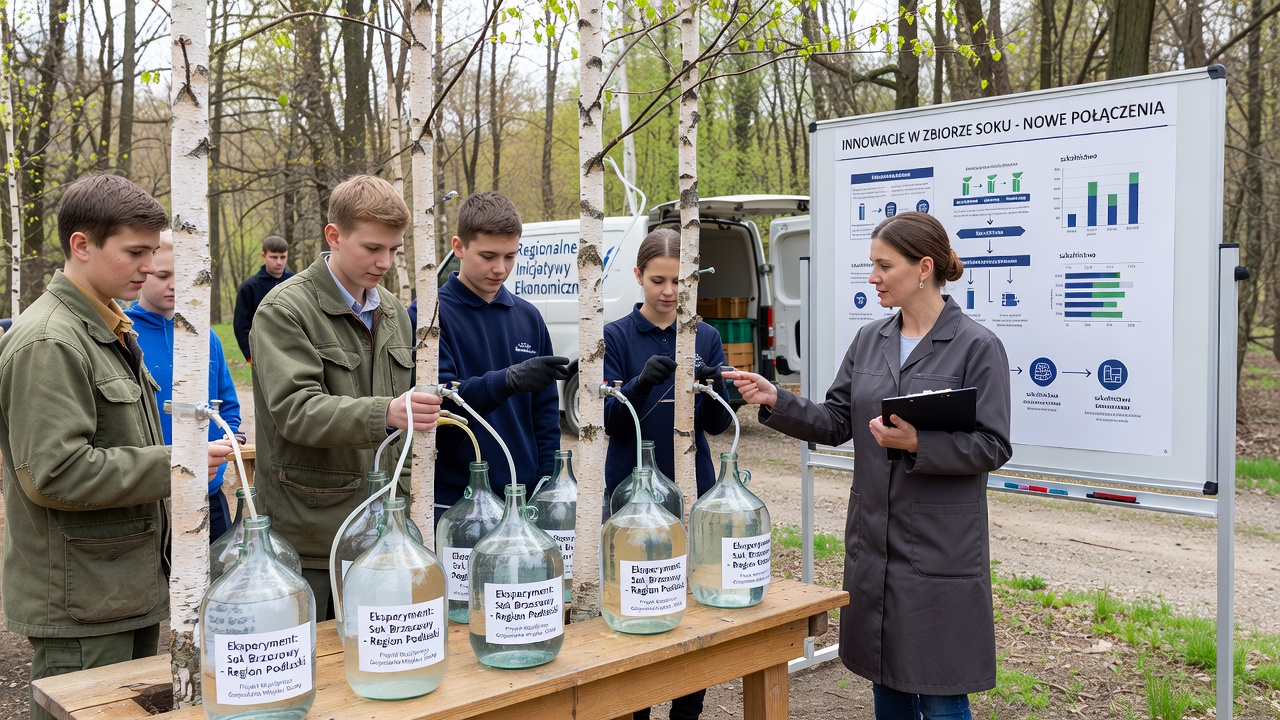
Schools in the same provinces incorporated sap collection monitoring into existing flora studies modules. Students collect samples during scheduled field visits, measure sugar content using refractometers, and compare growth patterns across different tree stands. The data feeds into shared databases that both educational institutions and agricultural cooperatives access for planning purposes.
One program in the Hajnowka district pairs classes with nearby collection crews so that daily readings on temperature and precipitation directly inform harvest schedules. Teachers report that this hands-on component covers topics in plant biology, ecology, and data analysis without requiring separate laboratory setups. Participation numbers reached 2,300 students across 28 schools during the 2025-2026 academic year.
Economic Outcomes and Resource Sharing
The linkage between rural economies and educational activities produces shared infrastructure benefits. School laboratories now double as testing points for sap quality, reducing the need for separate facilities in smaller villages. Cooperative purchasing agreements allow both farmers and schools to acquire testing kits at lower costs through bulk orders coordinated at the provincial level.
Trade data from the eastern border regions shows that processed sap products, including concentrated syrups and beverages, reached new distribution channels in domestic retail networks during 2026. Export volumes to neighboring EU member states increased by 9 percent compared with the prior year, according to Eurostat agricultural statistics. These figures reflect broader trends in non-timber forest product utilization documented across Central European countries.
Data Collection and Monitoring Practices
Standardized protocols require daily logging of environmental variables at each collection site. Students and local volunteers use mobile applications developed by regional technical universities to upload readings on tree health indicators. The resulting datasets support long-term studies on how climate variations affect sap flow rates in native maple populations.
Provincial reports compiled in October 2026 highlight that 64 percent of participating schools now maintain permanent monitoring plots adjacent to their facilities. These plots serve dual purposes: they supply material for classroom experiments and contribute to regional biodiversity inventories maintained by the Polish Academy of Sciences. Coordination meetings held quarterly bring together educators, farmers, and forestry officials to review findings and adjust collection schedules.
Conclusion
The ongoing experiments demonstrate measurable connections between sap collection activities and school-based flora programs across Poland's eastern provinces. Participation data through October 2026 shows sustained involvement from both economic and educational sectors, supported by shared resources and standardized monitoring methods. Provincial records continue to track output volumes and student engagement levels as the programs expand into additional districts.