Mara Beck · 2 September 2026
Maple Path Education has introduced an innovative curriculum designed to integrate the study of maple ecology into high school education. This program focuses on the ecological significance of maple trees within forest environments and aims to enhance students' knowledge of natural systems and sustainability practices.
Details of the New Curriculum
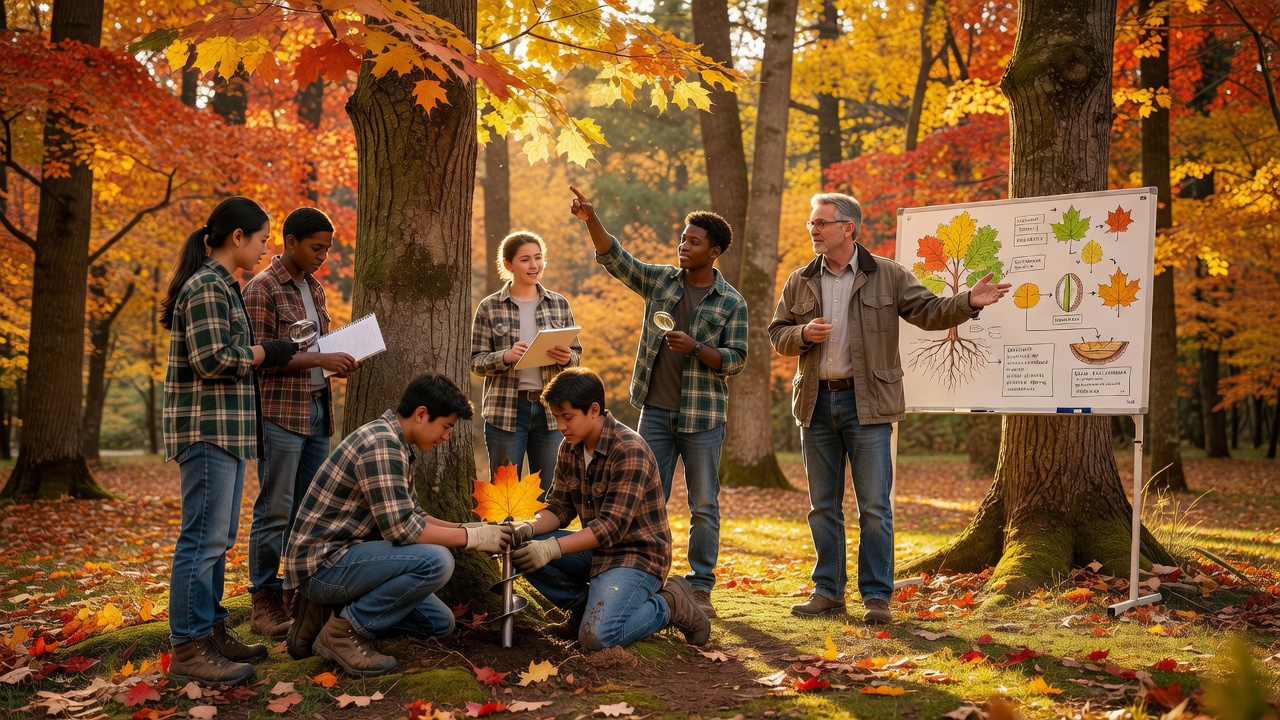
The new curriculum covers various aspects of maple ecology, including the life cycle of maple trees, their interactions with wildlife, and the effects of environmental changes on their populations. Lessons are structured to include both theoretical knowledge and practical fieldwork. High school students will learn about soil composition in maple groves, the process of photosynthesis in maples, and how these trees contribute to overall forest health. The curriculum also addresses the economic importance of maples, particularly in regions where maple syrup production is a traditional activity. By examining case studies from local forests, students gain insights into conservation strategies and the challenges posed by invasive species and changing weather patterns. Educators have been provided with resources such as detailed lesson plans, multimedia presentations, and access to scientific databases for student research projects.
Implementation involves collaboration between Maple Path Education and several high schools, with pilot programs already underway. Feedback from participating teachers highlights the curriculum's ability to make abstract ecological concepts more tangible through the example of a common tree species. Activities include mapping maple tree distributions using GPS technology and analyzing data on leaf coloration changes during autumn. This hands-on method promotes active learning and encourages students to consider careers in environmental science or forestry.
Impact on Education and Environment
The integration of maple ecology is expected to have positive effects on both educational outcomes and environmental awareness. Students develop a greater appreciation for local ecosystems and understand the interconnectedness of species within them. The program emphasizes the importance of preserving maple habitats to maintain biodiversity and support ecosystem services like water filtration and air purification. Community partnerships allow for extended learning opportunities, such as volunteer days in nature reserves. Over time, this curriculum could lead to increased public support for forest conservation policies. Maple Path Education continues to refine the materials based on ongoing evaluations to ensure they meet the needs of diverse learners.
Future plans include incorporating technology like virtual reality simulations of maple forests to further engage students. The initiative represents a step forward in modernizing science education by connecting classroom learning with real-world ecological issues. By focusing on maple ecology, high schools can foster a sense of stewardship among young people toward their natural surroundings.