Mara Werner · 2 October 2026
Beekeepers and Educators Collaborate on Maple Habitat Protection Projects in Poland's Changing Climate
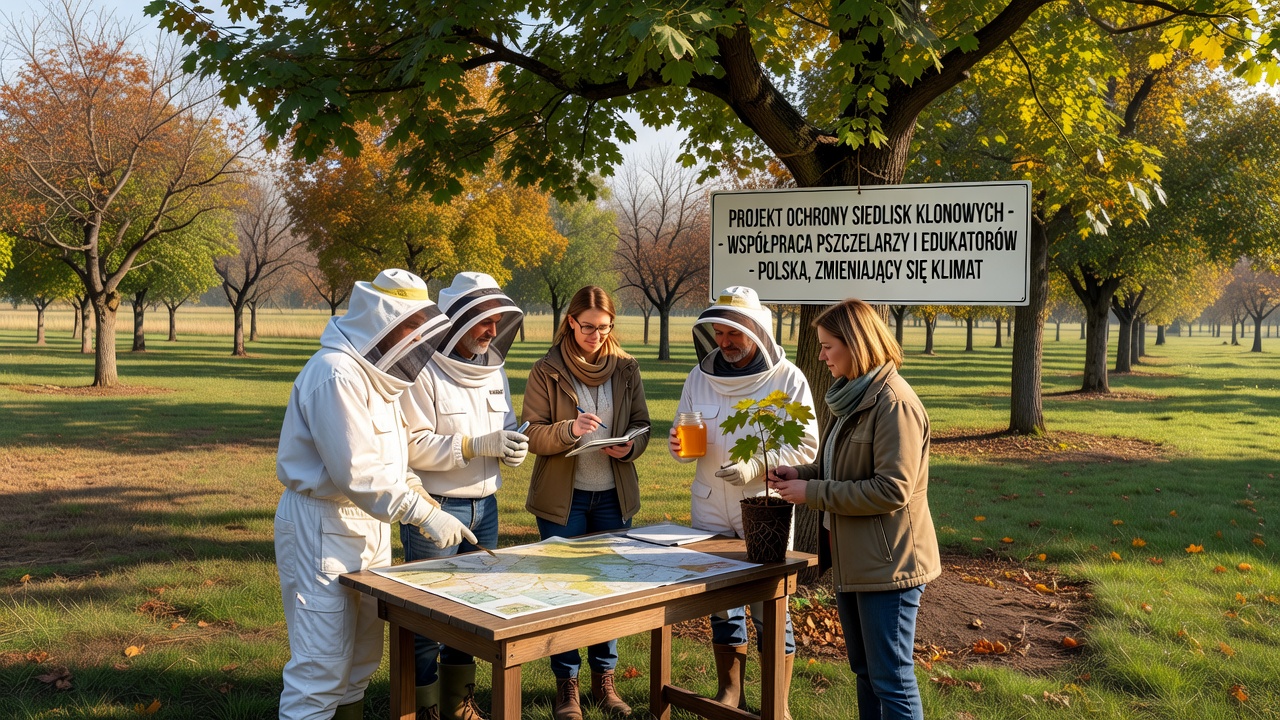
Beekeepers across Poland have partnered with educators to launch maple habitat protection initiatives that address shifting weather patterns and their effects on local ecosystems, and these efforts combine practical fieldwork with classroom programs to monitor tree health while supporting pollinator populations. Data from regional monitoring stations shows that rising temperatures have altered maple flowering periods by several weeks in some areas, which disrupts the timing of nectar availability for honeybees and other pollinators that rely on these trees during early spring.
Climate Shifts Impacting Maple Habitats
Poland's maple populations face increasing pressure from prolonged droughts and milder winters, conditions that researchers at forestry institutes have tracked through annual surveys since the early 2010s, and these changes have led to higher rates of fungal infections in species such as Acer platanoides. Beekeepers report reduced honey yields in regions where maples once provided reliable forage, prompting groups in the Podlasie and Lesser Poland voivodeships to map vulnerable stands and share findings with local schools for joint data collection projects.
According to reports issued by the European Environment Agency, average annual temperatures in Central Europe have risen by approximately 1.5 degrees Celsius since 1980, a trend that accelerates leaf-out times and exposes maples to late frosts that damage buds and reduce seed production over successive seasons.
Beekeeper Involvement in Field Protection
Local beekeeping associations have taken active roles in planting disease-resistant maple varieties along field margins and riverbanks, actions that also create buffer zones against agricultural runoff and wind erosion, while these plantings incorporate native understory species to enhance soil stability and provide additional foraging options for bees throughout the growing season. Participants in these programs use mobile apps to log tree conditions and bee activity, generating datasets that educators then incorporate into biology lessons focused on climate adaptation strategies.
Educational Programs and Community Outreach
Schools in urban and rural districts have introduced modules on maple ecology that involve students in seasonal observations of bud break and insect visits, and these activities connect directly to beekeeper networks that supply real-time updates from protected sites. Workshops held at community centers demonstrate grafting techniques for maple propagation alongside hive management practices that account for variable bloom schedules, and participants learn to identify early signs of stress such as premature leaf drop or bark discoloration.
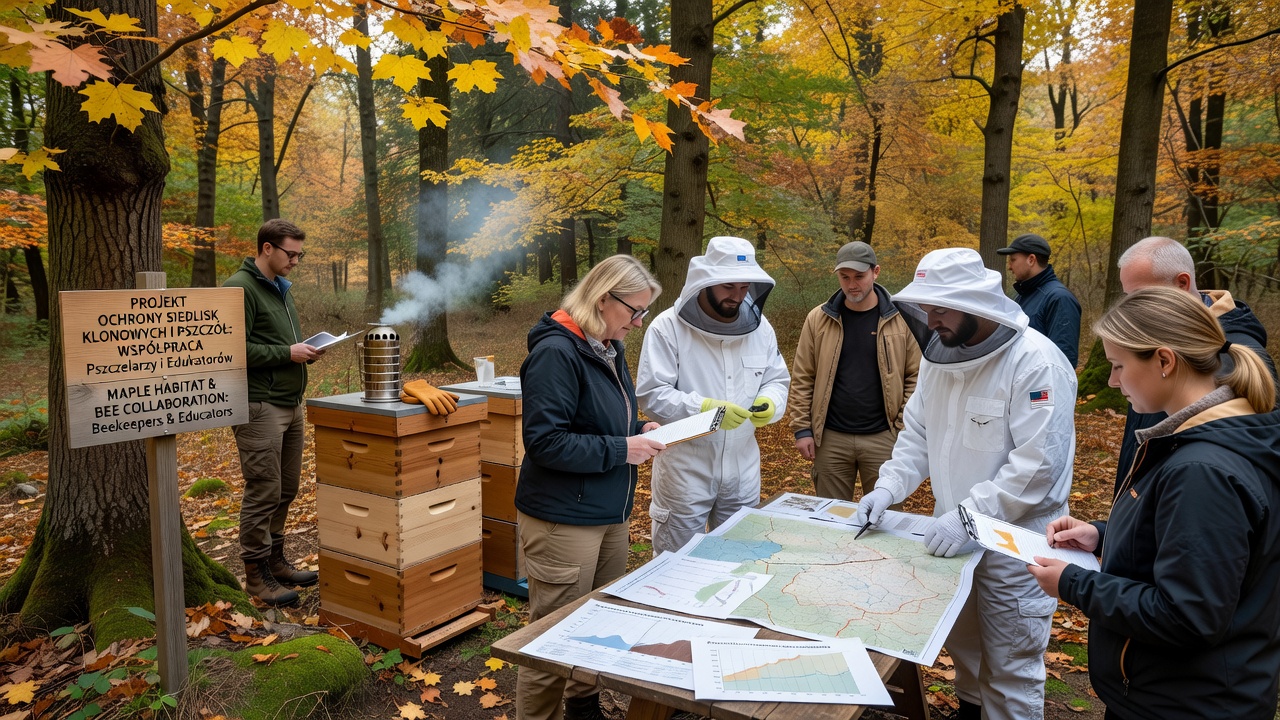
One ongoing initiative in the Carpathian foothills pairs secondary students with apiary owners to establish small-scale maple nurseries, and the resulting saplings are distributed to farms and municipal parks where climate resilience trials continue through 2026. October 2026 marks the scheduled review of these nursery outcomes, during which collaborators will assess survival rates and adjust planting guidelines based on accumulated growth metrics.
Monitoring Techniques and Data Sharing
Teams employ drone surveys combined with ground-based sensor networks to measure soil moisture and canopy temperature around maple groves, methods that supply precise indicators for intervention timing such as supplemental watering or pest control applications. Educators train participants to upload findings to shared databases maintained by regional agricultural universities, ensuring that patterns observed in one province inform strategies elsewhere without duplication of effort.
Research conducted through Warsaw University of Life Sciences has documented correlations between reduced maple density and declines in early-season pollen diversity, findings that underscore the value of integrated habitat projects linking beekeeping needs with educational outreach. These collaborations extend to public events where families plant maples and receive guidance on maintaining pollinator-friendly spaces amid variable precipitation patterns.
Conclusion
Joint projects between beekeepers and educators continue to expand across Poland as climate records indicate further warming through the coming decade, and the emphasis remains on sustained monitoring plus adaptive planting that supports both tree longevity and pollinator health. Data collected through these networks contributes to broader European forestry assessments, while the involvement of schools ensures that successive generations gain practical skills for managing changing habitats.